
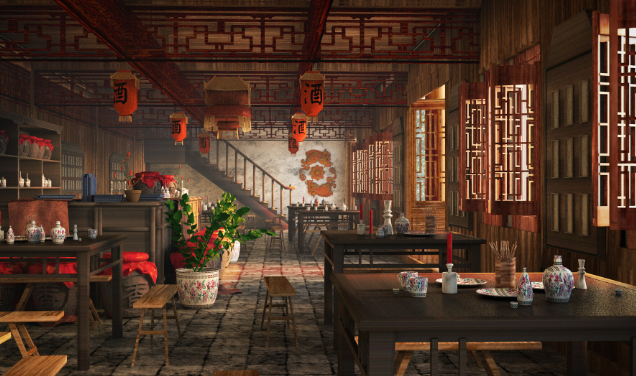
A relaxed evening often feels better when good food takes center stage. Chinese restaurant www.newhongkongchineserestaurant.com meals offer an easy way to enjoy that kind of dining, with generous dishes, varied flavors, comforting staples, and plenty of options for sharing. A table can feature fragrant noodles, tender meat, fresh vegetables, dumplings, seafood, and warm tea without making the meal feel overly formal. The wide range of Chinese cuisine also allows diners to choose according to their mood. Some evenings call for a comforting bowl of noodles, while others suit a table filled with several dishes for everyone to sample. This flexibility makes Chinese restaurants appealing for casual dinners, family gatherings, and unhurried evenings with friends.
Shared Dishes Set a Relaxed Mood
Sharing several dishes can make an evening meal feel more natural and social. Instead of focusing on individual portions, diners can place different selections in the middle of the table and enjoy them at their own pace. A combination of dumplings, vegetables, noodles, and savory meat creates enough variety to keep everyone interested. Guests can take small servings, exchange recommendations, and return to their favorite dishes throughout the meal. This format also makes it easier to try something unfamiliar because one new dish becomes part of a larger spread. The relaxed pace allows conversations to develop between servings, creating an atmosphere where food becomes part of the evening rather than the only reason for gathering.
Comforting Noodles Bring Warmth
Noodles make an excellent choice when the evening calls for something satisfying without unnecessary fuss. Chinese restaurants can serve noodles in flavorful broths, stir-fried preparations, or combinations with vegetables and meat. Each style creates a different experience, from a warm bowl that feels soothing to a fragrant stir-fry with crisp vegetables. The texture of the noodles also matters, with some varieties offering a firm bite while others feel softer and smoother. Diners can pair noodle dishes with smaller plates or enjoy them as the main part of the meal. Their versatility makes noodles an easy favorite for anyone looking for comfort after a busy day.
Dumplings Add Variety to the Table
Dumplings work particularly well during relaxed dinners because diners can share several pieces without committing to a large portion. Steamed, boiled, and pan-fried versions each provide their own texture, while fillings can include pork, shrimp, beef, vegetables, mushrooms, or other combinations. Dipping sauces allow guests to adjust the flavor according to their preferences. A little vinegar can add brightness, while chili can bring extra heat. Because dumplings come in so many styles, they can suit different tastes at the same table. Ordering them alongside noodles or vegetables also creates a balanced meal with contrasting textures and flavors.
Stir-Fried Dishes Keep Flavors Lively
Stir-fried dishes bring energy to an otherwise laid-back dinner through fragrant ingredients and contrasting textures. High-heat cooking helps vegetables retain some crispness while allowing sauces to coat meat, seafood, or tofu evenly. Garlic, ginger, scallions, and sesame can add aroma without overpowering the main ingredients. Diners can choose combinations featuring chicken, beef, shrimp, mushrooms, broccoli, peppers, or leafy greens. A stir-fry can also complement heavier dishes by introducing freshness and texture to the table. Sharing one or two stir-fried selections gives everyone another option between bites of dumplings, noodles, or roasted specialties.
Seafood Offers a Lighter Choice
Seafood can bring a delicate element to an evening meal, particularly when diners want something lighter. Chinese restaurants may prepare fish, shrimp, squid, or shellfish through steaming, stir-frying, or other traditional methods. Steamed fish with ginger and scallions provides a particularly clean combination of natural flavor and fragrance. Shrimp can appear in dumplings, noodle dishes, or vegetable stir-fries, making it easy to incorporate into a shared meal. Seafood also works well with rice and vegetables, creating a balanced combination without relying on heavy sauces. For diners who prefer subtle flavors, these dishes can provide a refreshing change from richer meat preparations.
Vegetable Dishes Create Balance
A flavorful evening meal does not need to revolve entirely around meat. Chinese restaurant menus often include vegetable dishes that bring freshness, color, and contrasting textures to the table. Bok choy, Chinese broccoli, mushrooms, eggplant, bean sprouts, and other vegetables can receive quick stir-frying or gentle braising. Garlic, ginger, sesame, and light sauces can enhance their natural flavors while keeping the dishes approachable. Vegetables also help balance richer selections such as roasted duck, pork, or fried dumplings. When several dishes share the table, a fresh vegetable preparation can provide a welcome change between more intensely seasoned bites.
Tea Encourages a Slower Pace
Tea can make an evening meal feel calmer and more complete. Jasmine tea, green tea, oolong, and pu-erh offer different aromas that can complement a wide range of Chinese dishes. Guests can sip tea between bites, refill cups, and continue conversations without rushing toward the end of the meal. Its gentle presence helps create natural pauses throughout dinner. Tea also pairs well with dishes that contain strong sauces, fried textures, or rich roasted flavors. Even a simple pot shared among several people can add a traditional touch to an otherwise casual restaurant visit.
Sauces Bring Personal Character
Sauces allow diners to experience familiar ingredients in different ways. Soy-based sauces can add savory depth, vinegar can introduce acidity, and chili-based combinations can bring warmth and fragrance. Sesame, hoisin, oyster sauce, and fermented ingredients can create additional layers depending on the dish. Diners can pay attention to these differences when choosing several plates for the table. A tangy dish can balance something rich, while a spicy preparation can contrast with mild vegetables or steamed rice. This variety keeps a shared meal interesting because each plate contributes its own personality rather than repeating the same flavor.
Rice Complements Almost Everything
Steamed rice provides a simple foundation for many Chinese restaurant meals. Its mild flavor makes it particularly useful alongside dishes with strong sauces, spicy seasonings, or rich roasted flavors. Diners can combine rice with stir-fried vegetables, seafood, braised meat, or other shared specialties. Fried rice offers another option, bringing additional texture and seasoning through ingredients such as eggs, vegetables, scallions, and protein. Because rice works with so many dishes, it can help tie together a table filled with different flavors. A relaxed dinner can therefore include several contrasting specialties while still maintaining a comfortable and cohesive meal.
A Relaxed Evening Starts With Variety
Chinese restaurant dining can turn an ordinary evening into a satisfying food experience without requiring an elaborate occasion. Shared dishes encourage conversation, noodles provide comfort, dumplings bring variety, vegetables add freshness, and seafood introduces lighter flavors. Tea slows the pace while rice and sauces help connect different selections across the table. The beauty of this style comes from its flexibility. Diners can order familiar favorites or take a chance on something new, then enjoy everything together at a comfortable pace. With so many textures and flavors available, Chinese restaurant meals give relaxed evenings plenty of room for good food, conversation, and discovery.