Understanding Glove Sizing for Comfort and Workplace Efficiency
Glove sizing plays an important role in workplace safety, comfort, and productivity. Workers in healthcare, manufacturing, food handling, laboratories, and other industries often wear protective gloves throughout the day. When gloves fit properly, employees can move their fingers more easily, handle tools with better control, and complete tasks without unnecessary discomfort.
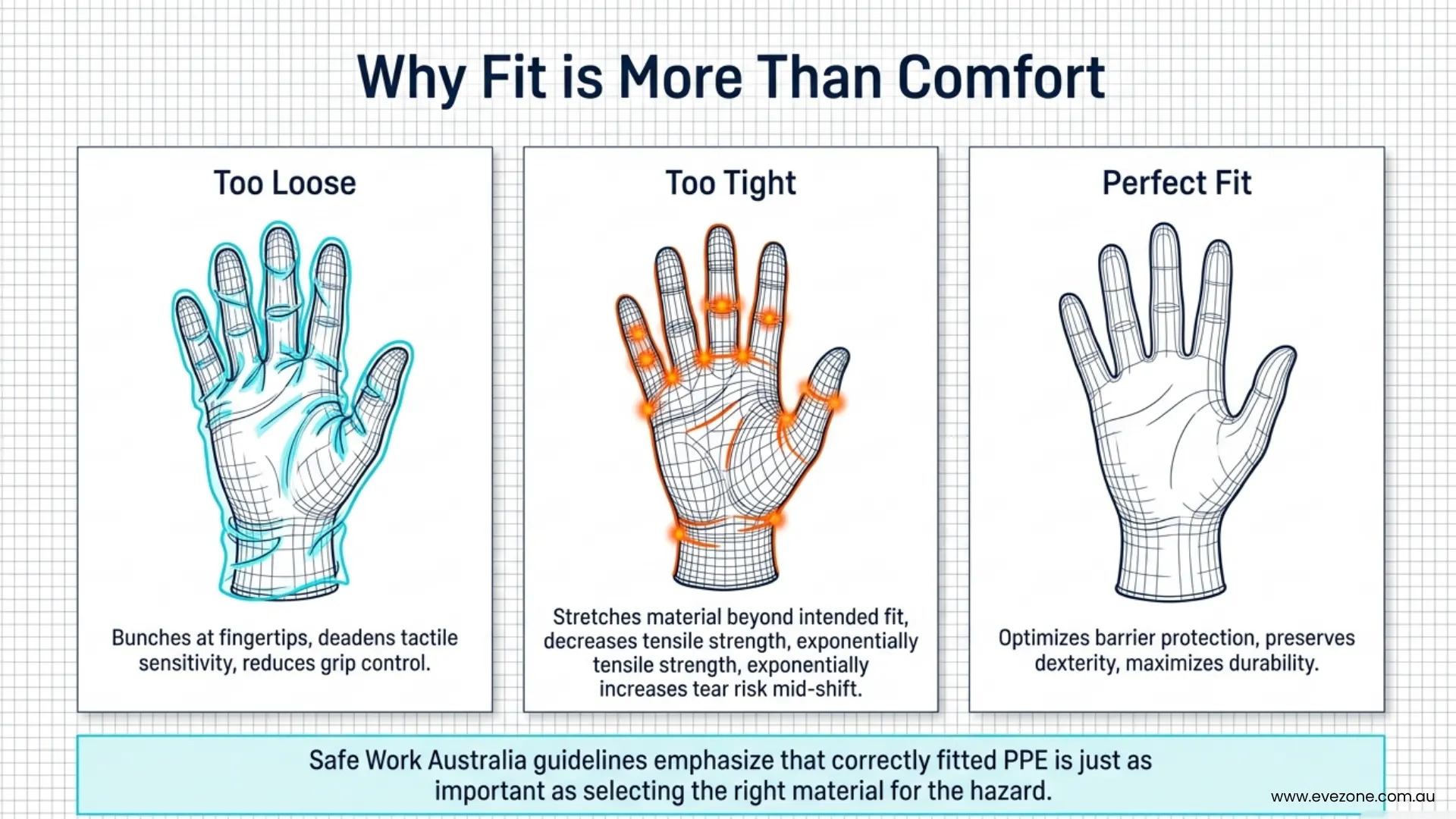
Gloves that are too tight may restrict movement and cause hand fatigue, while oversized gloves can slip, reduce grip, and interfere with precise work. Choosing the correct size helps workers maintain control while ensuring that the gloves suit the hazards and requirements of their jobs. Businesses that prioritize https://www.glovesupply.us/ can support more comfortable and consistent working conditions.
Why Glove Sizing Matters for Workplace Safety
The right glove size helps workers maintain a secure grip when handling tools, equipment, and materials. A close but comfortable fit allows the fingers to bend naturally and supports the movements required for routine tasks. This can be especially important for jobs that involve handling small objects or performing detailed procedures.
Poorly fitted gloves may create additional risks. Loose material can catch on equipment in certain work environments, while excessive tightness may cause discomfort and reduce dexterity. However, fit alone does not guarantee protection. Workers must also select gloves made from suitable materials and designed for the hazards they may encounter.
How to Measure Hands for the Correct Glove Size
Accurate hand measurements make glove selection easier. Manufacturers commonly provide sizing charts based on hand circumference, hand length, or both. Workers should follow the measurement instructions supplied with the specific glove brand because sizing standards can vary between products.
To measure hand circumference, wrap a flexible measuring tape around the widest part of the palm, excluding the thumb, unless the manufacturer’s instructions specify otherwise. For hand length, measure from the tip of the middle finger to the base of the palm. Compare these measurements with the product’s sizing chart before choosing a size.
Trying on gloves, when appropriate, can help confirm the fit. The fingers should reach the ends without excessive pressure, and the palm should feel secure without restricting movement.
Glove Sizing and Daily Work Efficiency
Properly fitted gloves can make repetitive tasks more manageable. Workers who can move their fingers naturally may find it easier to grip tools, sort materials, operate suitable controls, and handle small components. A comfortable fit can also reduce the need to adjust gloves repeatedly during a shift.
Different tasks may require different glove designs. Thin disposable gloves can support precise handling in suitable environments, while heavier protective gloves may be necessary for certain industrial applications. Employees should consider the task, required dexterity, grip, and protection level rather than selecting a size based on comfort alone.
Businesses can review workplace glove sizing guidelines alongside product specifications to help employees choose gloves that suit their responsibilities.
Common Glove Sizing Mistakes to Avoid
One common mistake is assuming that the same size will fit every brand equally. Sizing labels such as small, medium, and large are not always identical across manufacturers. Checking each product’s sizing chart can help prevent unsuitable purchases.
Another mistake is choosing oversized gloves simply because they feel easier to put on. Excess material may affect grip and make detailed tasks more difficult. Conversely, selecting a smaller size for a tighter fit can restrict movement and create discomfort.
Workers should also inspect gloves before use. Stretched material, tears, or other signs of damage can affect fit and performance. When gloves become unsuitable, employees should replace them according to workplace procedures and the manufacturer’s guidance.